
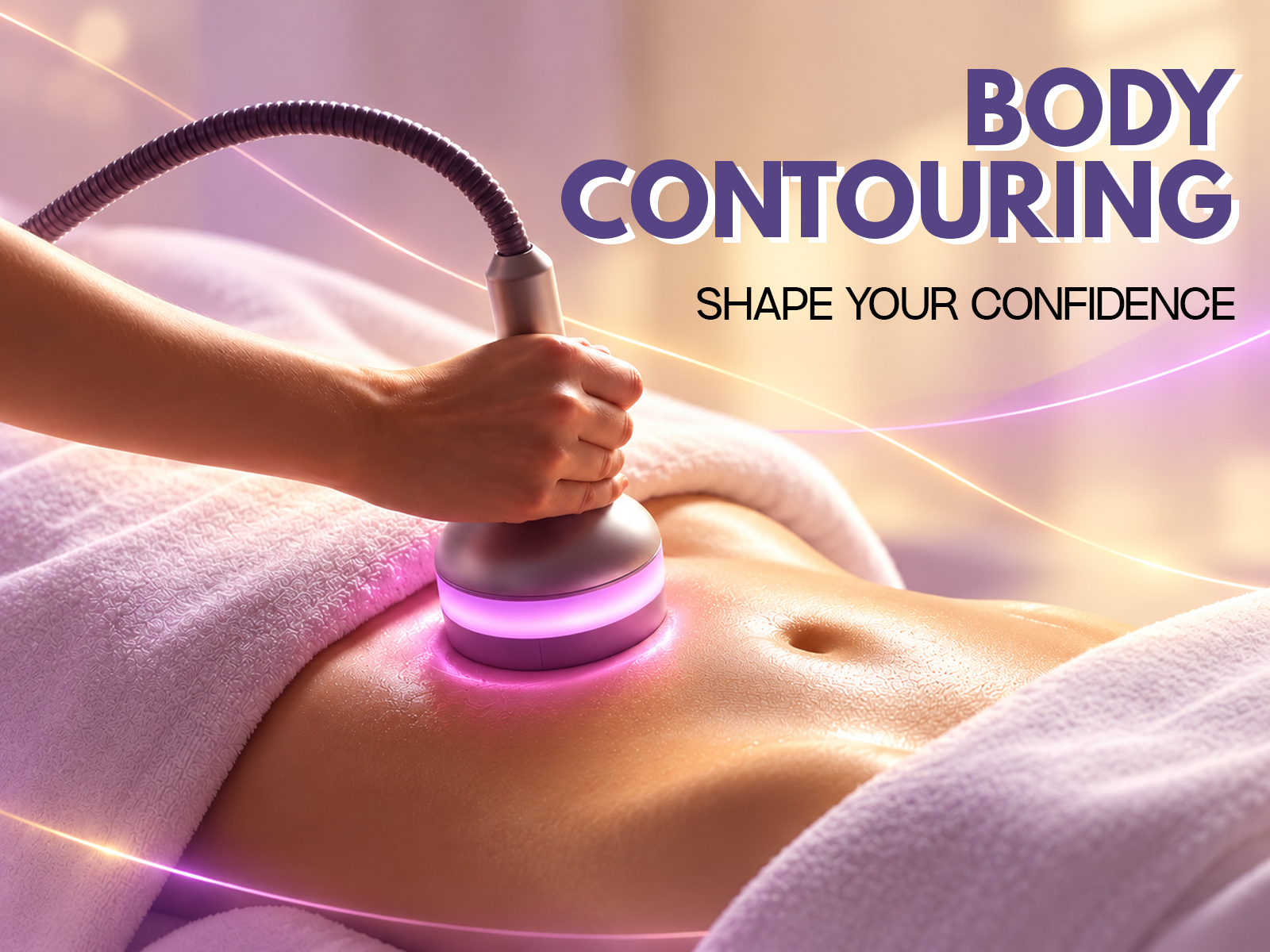
What body contouring can address
Body contouring aims to change the appearance of a selected area, such as a local fat bulge, uneven surface texture or reduced definition. These concerns are different from excess overall weight, loose skin and muscle separation, although they can coexist. Genetics, fat distribution, pregnancy, ageing and changes in weight can all affect body shape. A tape measurement cannot show which tissue is responsible.
The first decision is therefore anatomical: is the concern mainly pinchable fat, lax skin, cellulite or muscle tone? The answer affects whether a non-surgical device is appropriate. Marking the treatment area and recording consistent baseline photographs helps define a realistic, visible goal before choosing a package.
Who is a suitable candidate?
A person with relatively stable weight, a local contour concern and realistic expectations may be considered after assessment. Non-surgical contouring does not treat obesity or deliver the same tissue removal as surgery. Marked skin excess or a hernia may require a different opinion. Pregnancy, active skin disease, impaired sensation, recent surgery and certain implanted devices can change suitability, depending on the technology.
For fat freezing, tell the clinician about cold-related disorders and any abdominal-wall weakness. Device-specific contraindications matter more than a generic consent form. If you are still planning significant weight loss, discuss whether it makes sense to defer contouring until your weight is more stable.
Comparing the options and how they work
Cryolipolysis uses controlled cooling to affect susceptible fat cells; changes develop gradually as the body processes the treated tissue. Radiofrequency-based options deliver controlled energy to tissue and may be considered for selected laxity or contour concerns. Muscle-stimulation devices aim to produce repeated contractions for definition-related goals. These mechanisms are different and should not be described as interchangeable ways to lose kilograms.
Cellulite involves the interaction of skin, connective tissue and underlying fat. Reducing fat alone may not resolve its appearance. Massage or drainage treatments may temporarily affect puffiness but should not be presented as permanent fat removal. Ask what the proposed device is intended to treat, what evidence supports that use, and why it fits your anatomy.
The procedure, course and results timeline
The team should assess the area, review contraindications, explain sensation and obtain consent before treatment. Depending on the device, applicators, protective materials, gel or cooling may be used. Tell the operator about excessive pain or unusual discomfort during the session. Treatment duration and the number of areas depend on the equipment and your plan.
Some technologies use a series of visits; others are assessed after an initial treatment and an interval for tissue response. Fat-freezing changes are assessed over weeks to months, not immediately on leaving the clinic. A universal session count is misleading. Ask when photographs and measurements will be repeated and when the decision about any additional treatment will be made.
Benefits, downtime and risks to understand
Suitable clients may notice modest improvements in local shape, clothing fit or definition. Results vary with the area, technology, baseline tissue and individual response. Asymmetry or an insufficient response is possible. Most non-surgical options involve less recovery than surgery, but that does not mean they carry no risk.
Temporary tenderness, swelling, bruising or altered sensation can occur. Burns, persistent pain and other complications are device-dependent. Fat freezing can rarely cause paradoxical adipose hyperplasia, where a firm bulge develops instead of reducing and may need surgery. Discuss these possibilities before consenting. Persistent or worsening pain, skin injury or a new firm enlargement requires assessment.
Aftercare and the Meadows approach
Follow the device-specific instructions about activity, skin care and review. Do not add vigorous massage, heating or another treatment unless advised. Continue normal hydration and sustainable eating and exercise habits; excessive water intake or a detox is not a substitute for aftercare. Maintaining a stable weight helps preserve the overall contour.
At Meadows, use the consultation to compare body-contouring pathways and Cryo Fat Reduction against your stubborn-fat concern. The strongest plan explains what is being treated, what improvement is plausible and how it will be reviewed. Book a consultation to confirm local equipment and suitability.
Frequently asked questions
Is inch loss the same as weight loss? No. Local measurements can change without a large scale-weight change, and measurement technique also affects the result.
Can one session guarantee a size reduction? No. Response and the time needed for visible change vary.
Does fat freezing tighten loose skin? It is aimed at selected fat deposits. Skin laxity requires its own assessment.
Can I combine devices on the same day? Only if the treating clinician confirms the combination, timing and area are appropriate. More procedures are not automatically more effective.
Further reading: FDA: non-invasive body contouring technologies