
Find the cause before buying a hair package
Hair shedding, thinning, breakage and patchy loss are not the same condition. Hereditary pattern loss, illness-related shedding, nutritional deficiencies, thyroid disease, scalp inflammation and traction can all play a role. A person can have more than one cause at once. Oiling and cosmetic scalp treatments cannot correct every underlying problem.
The assessment should include the pattern and duration of loss, recent illness or major weight change, family history, hair practices and medicines. A scalp examination, photographs and selected tests may be appropriate. Rapid patchy loss, a painful or inflamed scalp, scarring or loss of eyebrows deserves prompt clinical assessment rather than waiting through repeated cosmetic sessions.
Where PRP may fit
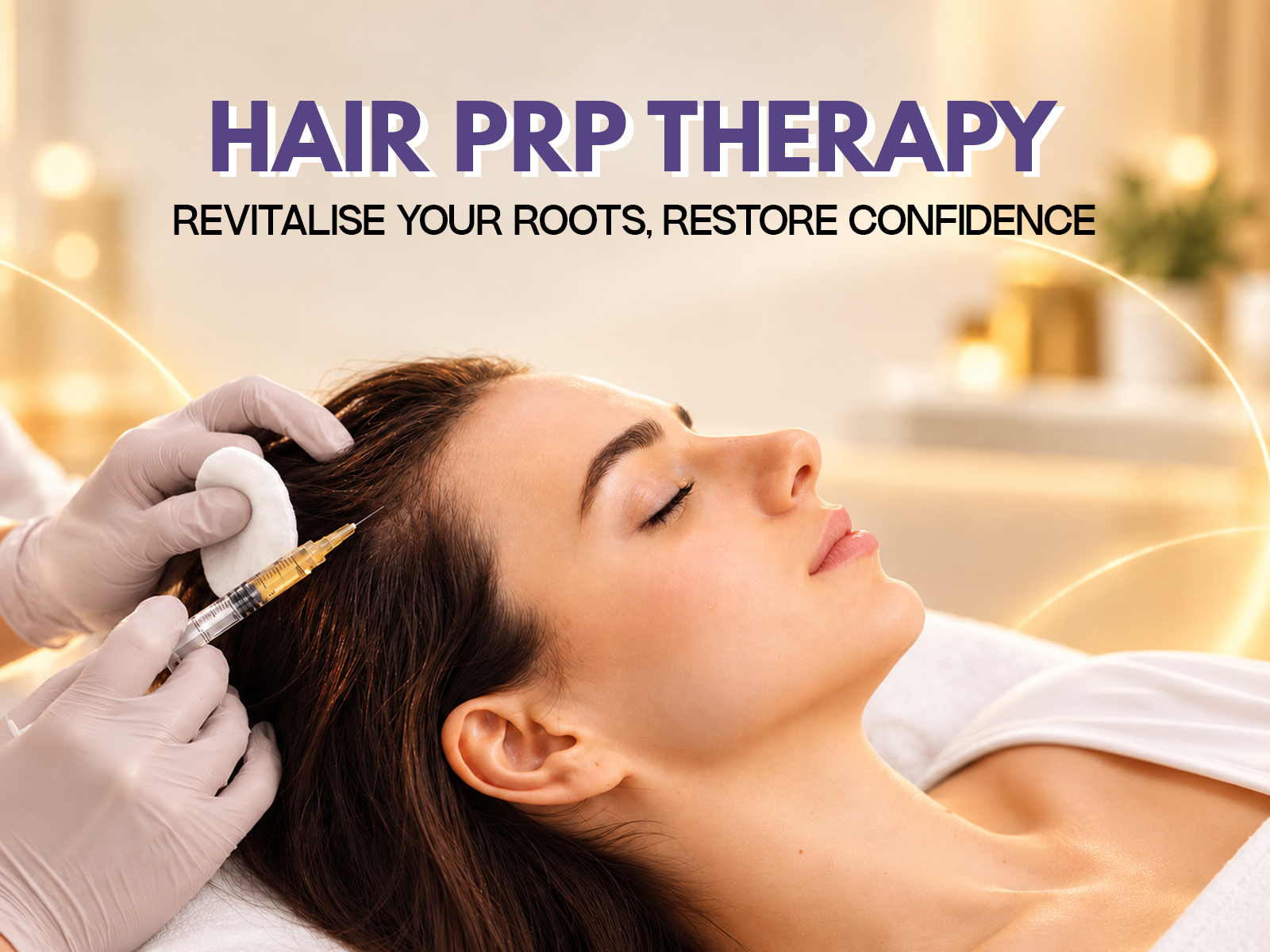
Platelet-rich plasma, or PRP, is prepared from a small blood sample. The sample is processed to concentrate a platelet-containing portion, which is then administered to selected scalp areas. Platelets release signalling factors that may support susceptible follicles. PRP is considered for some types of thinning; it is not a universal cure or a way to recreate follicles where they have been permanently lost.
Suitability depends on the diagnosis, remaining follicles and general health. Blood or platelet disorders, infection, some medicines and other health conditions may affect whether treatment is appropriate. Tell the clinician about bleeding problems and anticoagulants. Never stop a prescribed medicine on your own to prepare for PRP.
Other options and how to compare them
Depending on the diagnosis, treatment may include medically supervised topical or oral medicines, correction of a demonstrated deficiency, treatment for scalp inflammation, changes to damaging hair practices, or transplant assessment. Medicines have their own eligibility and monitoring needs. Hair transplantation moves suitable donor follicles; it does not stop progression in untreated hair.
PRP may be used as part of a broader plan rather than replacing proven medical care. Other injectable or regenerative treatments can have different evidence, formulations and regulatory status. Ask exactly what is being offered, why it is appropriate and how its expected benefit compares with alternatives. A newer name alone is not evidence of a better result.
The procedure, sessions and review timeline
A PRP visit typically includes reassessment, blood collection, processing and scalp administration using sterile technique. The treating team should explain discomfort management and the preparation method. Mild tenderness, swelling, bruising or a headache can occur. Infection and other complications remain possible even though the sample comes from your own blood.
An initial series is often followed by review and possible maintenance. A commonly used approach is monthly visits for an initial few months, but the treating clinician must individualise this. Hair changes are assessed over months. Standardised photographs and examination are more useful than counting hairs on one stressful day. If there is little benefit, reassess the diagnosis and treatment rather than continuing injections indefinitely.
Expected benefits, downtime and aftercare
For suitable pattern loss, goals may include less shedding and some improvement in thickness or density. Results vary, and complete restoration of a youthful hairline is not a realistic promise. A response needs time because hair cycles are slow. If hereditary loss is ongoing, maintenance or continuing medical care may be needed.
Many people return to normal activities soon, but follow the clinic's advice on washing, exercise, heat, styling and prescribed scalp products. Avoid scratching or applying unapproved substances to injection sites. Contact the clinic for increasing pain, spreading redness, discharge, fever or persistent swelling. Adequate nutrition matters, but supplements are best targeted to a demonstrated need.
Why consider Meadows for a structured journey?
Meadows provides hair-restoration and scalp-care pathways, including PRP Hair Therapy. A useful consultation should connect the diagnosis, treatment choice and review schedule instead of treating every type of hair fall as the same problem. Ask who will assess your scalp and perform the procedure, and how your response will be tracked.
Use the concern guides to prepare your history and book a consultation. Bring a list of medicines, previous reports and photographs showing the change over time if you have them.
Frequently asked questions
Will PRP work on a completely bald area? Areas without viable follicles may respond poorly; transplant or other options may need discussion.
Is my own blood risk-free? No. Preparation, sterility, injection technique and medical suitability still matter.
Can I stop my hair medicine when PRP starts? Only after discussing it with the prescribing clinician. Combination care may be intentional.
When should I judge the result? Agree on a review over several months using consistent photographs and clinical assessment rather than expecting visible regrowth after one visit.
Further reading: AAD: hair loss diagnosis and treatment