
What an IV infusion is, and what it is not
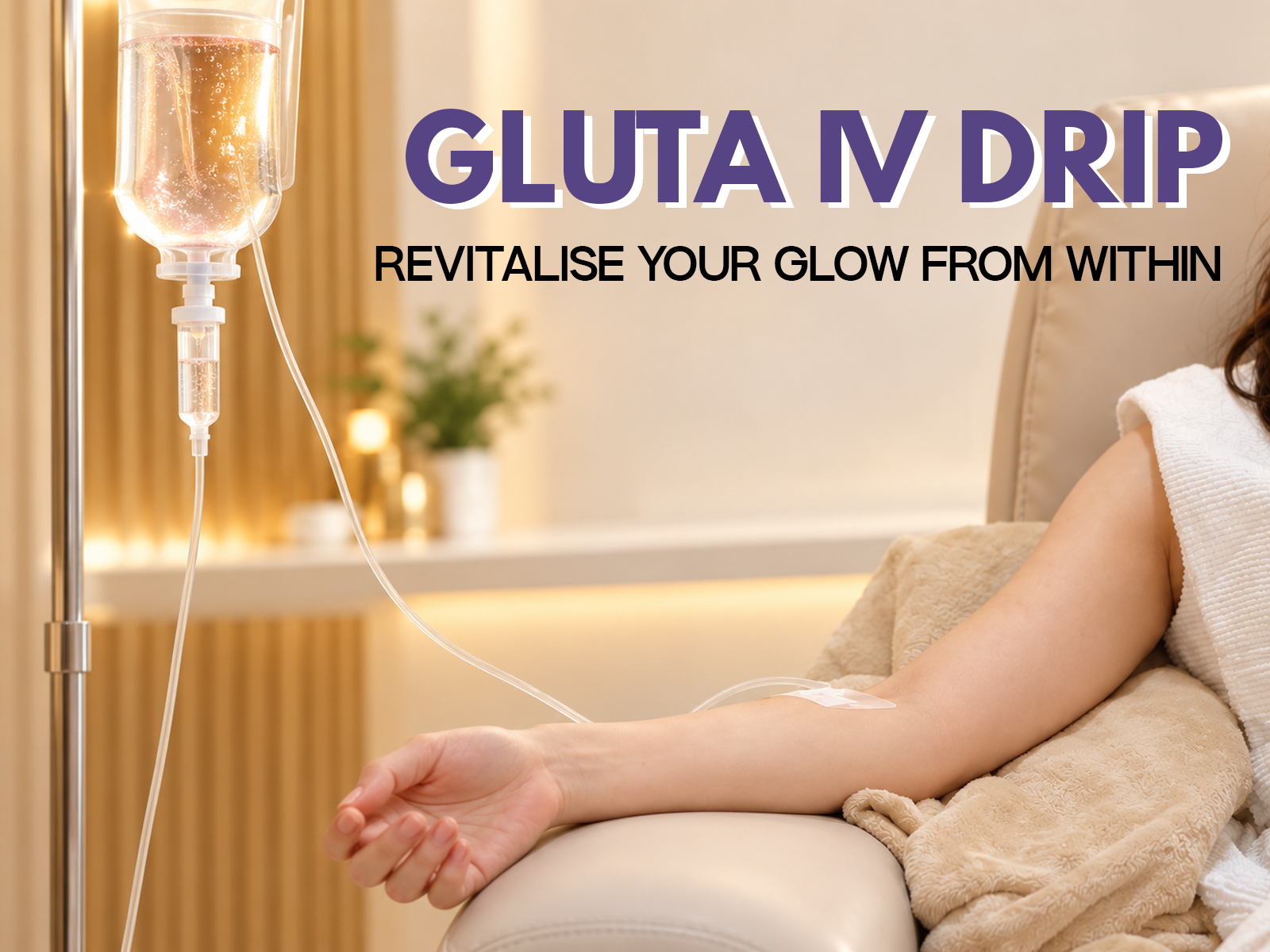
An intravenous infusion delivers a solution directly into a vein. In medical practice this route is used when a clinician identifies a reason for fluids or a particular medicine or nutrient. Delivering something into the bloodstream does not automatically make it beneficial, safer or more effective for a cosmetic goal.
Dull-looking skin and tiredness can reflect sleep, stress, skin-barrier problems, anaemia, illness, nutrition or other causes. An infusion cannot diagnose these. A consultation should first clarify whether your concern needs skin care, lifestyle support, investigation or medical treatment. Persistent fatigue or unexplained symptoms should not be masked by a repeated wellness package.
Evidence, options and realistic benefits
The benefit of an infusion depends on its ingredients, indication, dose and the person receiving it. Evidence for routine cosmetic glow, detoxification or immune-boosting drips in otherwise healthy people is limited. Correcting a diagnosed medical problem is different from claiming that extra vitamins improve everyone. Oral hydration and a balanced diet remain appropriate for many people.
IV glutathione is promoted for brightening, but strong evidence for a durable, predictable skin-lightening benefit and long-term cosmetic safety is lacking. It should not be presented as a guaranteed way to change natural skin colour. For uneven tone, an assessment of pigmentation and a skin-focused plan may be more appropriate. There is no universal best drip for radiance.
Who needs particular caution?
A clinician should review medical history, allergies, medicines and the exact formulation before any infusion. Kidney or heart disease, fluid-balance problems, pregnancy, breastfeeding and some metabolic or blood conditions may change suitability or require additional assessment. Ingredient-specific risks matter; the word vitamin does not remove the need for screening.
Ask whether investigations are needed for the proposed ingredient and your history. Do not assume that all wellness solutions have the same safety profile. You should know what is being administered, why it is recommended, who prescribes and supervises it, and what alternatives are available. Choosing not to proceed after assessment is a valid outcome.
What a responsible procedure involves
The team should explain the formulation, intended benefit, limitations, possible reactions and cost before consent. Appropriate sterile equipment, a suitable treatment setting and monitoring are essential. A cannula is placed, the infusion is administered according to the prescribed protocol and the site and your condition are observed. The clinic should be equipped to recognise and respond to an adverse reaction.
Treatment duration varies with the formulation and prescribed rate. There is no evidence-based universal session count for cosmetic radiance, so a fixed course should not be promised simply because a package exists. Any repeat treatment needs a continuing clinical rationale and review. An immediate feeling of refreshment does not prove a lasting health or pigmentation benefit.
Risks, downtime and aftercare
Possible problems include bruising, vein irritation, infection, allergic reactions, fluid overload and ingredient-related toxicity. Invasive administration has risks that a topical skin-care product does not. Product quality and sterile preparation matter, and dietary-supplement-grade ingredients are not appropriate substitutes for injectable-quality products.
Do not dismiss breathlessness, chest discomfort, facial swelling, faintness or a severe rash during or after an infusion; these require urgent medical assessment. Increasing redness, warmth, pain or discharge at the cannula site also needs review. Follow the clinician's instructions about the site and usual activity. Avoid adding supplements or further infusions without discussing the full ingredient list.
How Meadows can help you make an informed choice
Use a Meadows consultation to compare IV wellness options with skin-focused treatments and everyday care. For a strong clinical decision, ask the team to explain the reason for the route and formulation, the available evidence, the supervision and how complications would be managed. Availability does not establish that a treatment is necessary for you.
Read the IV Glutathione treatment information and the concern guides, then book a consultation. Meadows' broad service range is useful when it allows a more appropriate alternative to be considered, including no procedure when that is the better recommendation.
Frequently asked questions
Will a drip permanently lighten my skin? A permanent or predictable complexion change should not be promised.
Is an IV necessary if I can eat and drink normally? Often it is not. A clinician should identify a specific reason for the IV route.
Does a natural antioxidant have no side effects? No. Route, dose, formulation and medical history affect risk.
How many sessions should I buy? Do not start with a package number. Start with the indication, evidence, alternatives and review plan.
Further reading: FDA: injectable glutathione safety alert